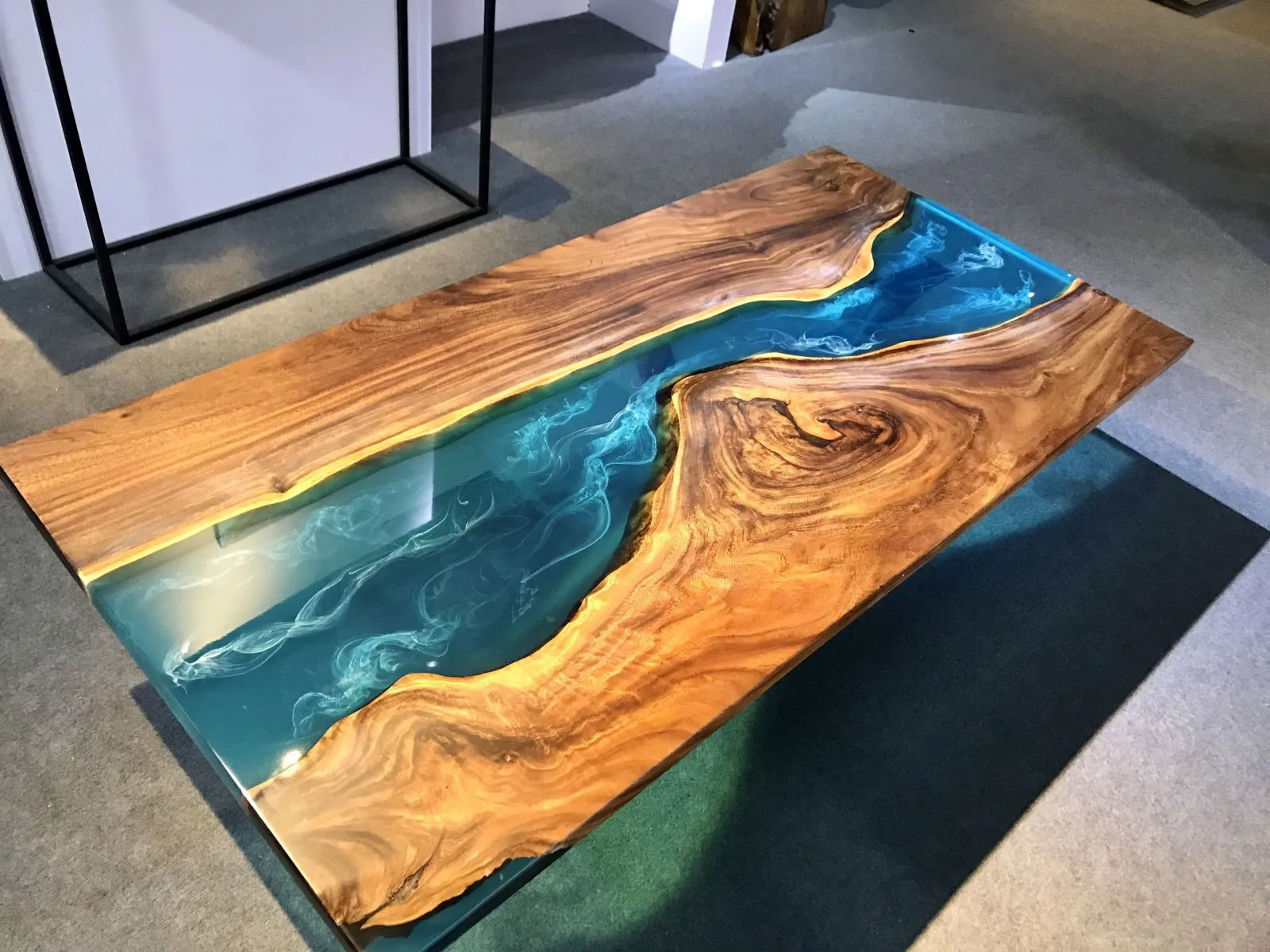

I’ve always been drawn to furniture that tells a story, and nothing does that quite like a resin river table. The first time I saw one, I was struck by how the translucent resin seemed to flow like a river right through the wood, creating a piece that felt both natural and otherworldly. It wasn’t just a table—it was a conversation starter, a centerpiece that demanded attention. But as I delved deeper into the world of resin river tables, I realized there’s a lot more to them than meets the eye. From the meticulous craftsmanship to the unique challenges of working with resin, these tables are a blend of art and functionality. Whether you’re considering buying one or making your own, understanding what goes into a resin river table is key to appreciating its beauty and durability.
What Exactly is a Resin River Table?
A resin river table is a piece of furniture where a transparent or colored resin is poured into a channel or “river” created within a wooden slab. The result is a stunning contrast between the organic texture of the wood and the sleek, glass-like resin. This design often mimics the look of a river flowing through the table, hence the name. The wood used can vary—walnut, oak, and maple are popular choices—and the resin can be tinted to match any aesthetic. What makes these tables so captivating is the way they blend natural and synthetic materials, creating a piece that feels both timeless and modern.
Why Choose a Resin River Table?
In my experience, resin river tables stand out for their uniqueness. No two tables are exactly alike because the wood grain and resin flow are always different. They’re also incredibly versatile—whether your style is rustic, contemporary, or somewhere in between, a resin river table can fit right in. That said, they’re not just about looks. The resin acts as a protective barrier, making the table more durable and resistant to scratches and stains compared to traditional wood tables. However, it’s important to note that they require careful maintenance to keep the resin looking its best.
The Process of Making a Resin River Table
Creating a resin river table is a labor-intensive process that requires precision and patience. Here’s a breakdown of the steps involved:
- Selecting the Wood: The first step is choosing the right wood slab. Look for a piece with interesting grain patterns and minimal cracks. I’ve found that thicker slabs work better because they provide more stability.
- Preparing the River Channel: Once the wood is selected, a channel is cut down the center to create the "river." This step requires careful planning to ensure the channel is deep and wide enough for the resin.
- Mixing and Pouring the Resin: The resin is mixed with a hardener and, if desired, pigments or additives like metallic powders. It’s then poured into the channel. This is where things get tricky—bubbles can form, and the resin needs to be poured slowly to avoid spills.
- Curing and Finishing: After pouring, the resin needs time to cure, which can take anywhere from 24 to 72 hours depending on the product. Once cured, the table is sanded and polished to achieve a smooth, glossy finish.
💡 Note: Always work in a well-ventilated area when mixing resin, as the fumes can be strong and harmful if inhaled.
Common Challenges and How to Overcome Them
While the end result is stunning, making a resin river table isn’t without its challenges. One of the biggest issues I’ve encountered is bubble formation in the resin. These can ruin the clarity of the river effect. To minimize bubbles, I’ve found that pouring the resin slowly and using a heat gun to gently warm the surface works wonders. Another challenge is ensuring the wood is properly sealed to prevent moisture from seeping into the resin. A good epoxy resin with a high viscosity can help mitigate this issue.
Resin River Table vs. Traditional Wood Table
To help you decide if a resin river table is right for you, here’s a comparison with traditional wood tables:
| Feature | Resin River Table | Traditional Wood Table |
|---|---|---|
| Aesthetic | Unique, modern, and eye-catching | Classic and timeless |
| Durability | Resin adds scratch and stain resistance | Prone to scratches and stains without proper care |
| Maintenance | Requires regular polishing to maintain resin clarity | Needs occasional refinishing or oiling |
| Cost | Generally more expensive due to materials and labor | More affordable, depending on the wood type |
Is a Resin River Table Worth It?
Honestly, whether a resin river table is worth it depends on your priorities. If you’re looking for a statement piece that combines art and functionality, it’s a fantastic investment. However, if you’re on a tight budget or prefer a more traditional look, a standard wood table might be a better fit. In my experience, the wow factor of a resin river table often justifies the higher cost, but it’s important to consider the maintenance required to keep it looking its best.
A resin river table is more than just a piece of furniture—it’s a work of art that brings nature and craftsmanship into your home. Whether you’re buying one or making it yourself, understanding the process and challenges involved will help you appreciate its beauty even more. If you’re ready to take the plunge, start by researching high-quality resin and wood suppliers, and don’t be afraid to experiment with different designs. After all, the best part of a resin river table is that it’s uniquely yours.
Related Terms:
- Resin River Table molds
- live edge Resin River Table
- Resin River Table top
- epoxy Resin River Table supplies
- river table for sale
- live edge river table