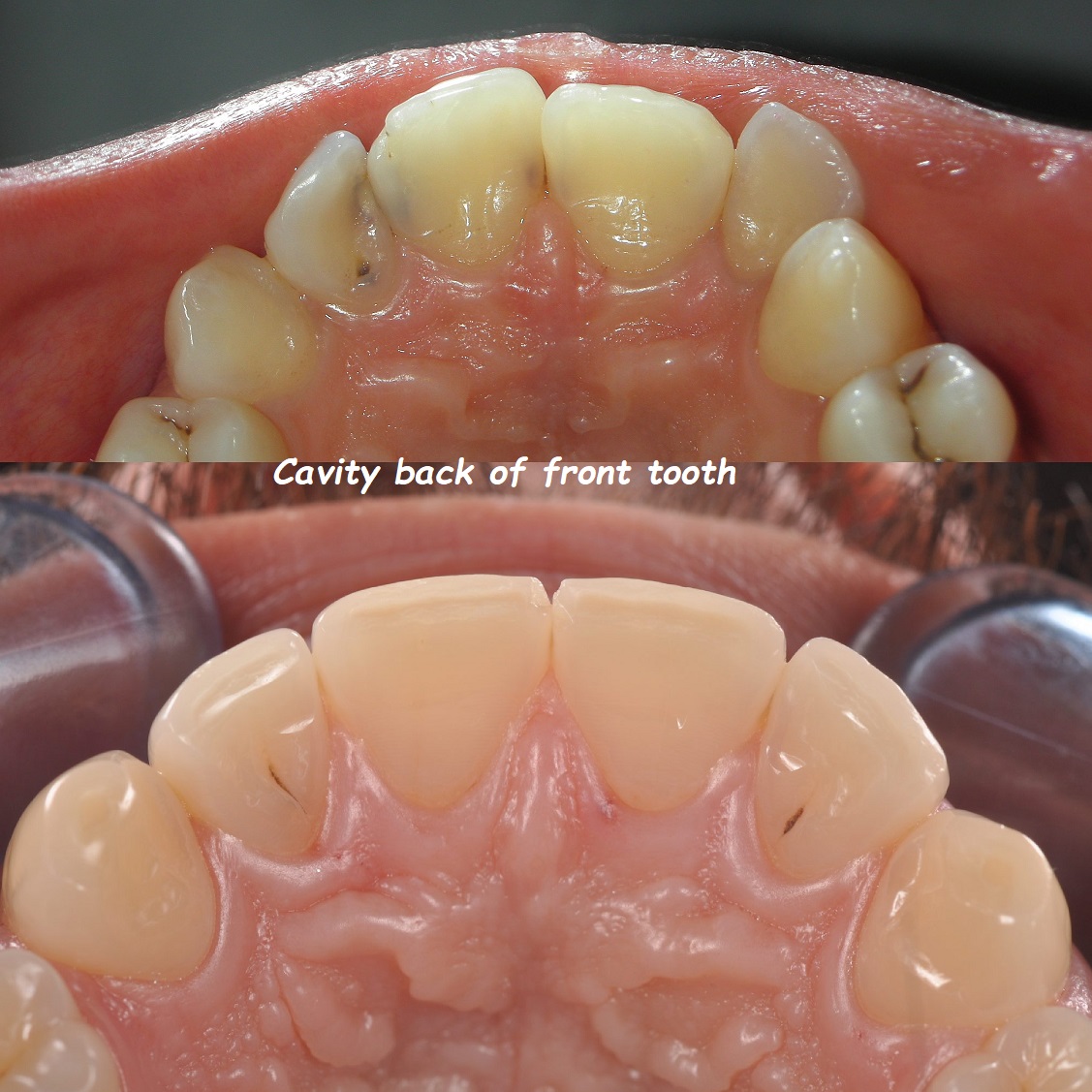

Ever noticed that nagging sensitivity or discomfort when you bite into something sweet? I’ve been there, and it’s often a sign of a cavity in between teeth—a problem more common than you’d think. Interdental cavities, as dentists call them, sneak up on you because they’re harder to spot than cavities on flat surfaces. In my experience, they’re a prime example of how flossing isn’t just a suggestion—it’s a necessity. Here’s the thing: the tight spaces between teeth trap food particles and bacteria, creating the perfect breeding ground for decay. If you’ve ever wondered why your dentist harps on about flossing, this is it.
What Exactly Is a Cavity In Between Teeth?
A cavity in between teeth, or interdental caries, is decay that occurs in the tight spaces where teeth meet. Unlike cavities on the chewing surfaces, these are caused by plaque buildup in areas your toothbrush can’t reach. I’ve learned the hard way that even if you brush twice a day, neglecting flossing leaves these areas vulnerable. The bacteria in plaque feed on sugars, producing acid that erodes enamel over time. Before you know it, you’ve got a cavity that’s not just painful but also tricky to treat.
Why Are Cavities In Between Teeth So Common?
Honestly, it’s all about anatomy and habits. The spaces between teeth are naturally narrow, making them magnets for food debris. If you’re like me and have crowded teeth, it’s even worse—there’s less room for floss, and more nooks for bacteria to hide. Here’s where it gets interesting: even if you floss regularly, using the wrong technique can leave plaque behind. I’ve found that curved floss picks or water flossers are game-changers for reaching those tight spots effectively.
Risk Factors for Interdental Cavities
- Poor flossing habits: Skipping flossing or doing it incorrectly leaves plaque untouched.
- Diet high in sugars: Frequent snacking on sugary foods fuels bacterial growth.
- Dry mouth: Saliva helps neutralize acids, so conditions like dry mouth increase risk.
- Crowded teeth: Overlapping teeth create more hiding spots for plaque.
How to Spot a Cavity In Between Teeth
Catching interdental cavities early is tricky because they’re not always visible. In my case, the first sign was a sharp pain when biting into something cold. Other red flags include sensitivity to sweets, visible dark spots between teeth, or a persistent bad taste. If you notice any of these, don’t wait—schedule a dental checkup. Dentists use tools like dental probes and X-rays to detect decay before it becomes a bigger problem.
⚠️ Note: Don’t ignore sensitivity or pain. Early treatment can save you from a root canal or extraction.
Preventing Cavities In Between Teeth: What Works
Prevention is always better than cure, especially with interdental cavities. Here’s what’s worked for me:
- Floss daily: Use waxed floss or a water flosser to clean between teeth thoroughly.
- Brush with fluoride toothpaste: Fluoride strengthens enamel and fights decay.
- Limit sugary snacks: Reduce frequent sugar intake to starve bacteria.
- Use interdental brushes: These tiny brushes are great for wider gaps.
- Visit your dentist regularly: Professional cleanings remove plaque you might miss.
Treatment Options for Interdental Cavities
If you do end up with a cavity in between teeth, treatment depends on the severity. Small cavities might only need a filling, but deeper decay could require a crown or even a root canal. I’ve had fillings done, and while it’s not the most fun experience, it’s a relief to get rid of the pain. The key is to address it early—ignoring it will only make it worse and more expensive to fix.
Treatment Comparison
| Treatment | Best For | Pros | Cons |
|---|---|---|---|
| Fillings | Small to moderate cavities | Quick, cost-effective, preserves tooth structure | May need replacement over time |
| Crowns | Large cavities or weakened teeth | Durable, restores tooth shape and function | More invasive, higher cost |
| Root Canal | Deep decay affecting the pulp | Saves the tooth, eliminates pain | Time-consuming, often followed by a crown |
The Bottom Line
Dealing with a cavity in between teeth is no fun, but it’s entirely preventable with the right habits. Flossing isn’t just a chore—it’s your first line of defense against interdental decay. Trust me, the few minutes you spend flossing each day are worth it to avoid the pain and cost of treating cavities. If you’re unsure about your technique, ask your dentist for a demo—it’s one of the best investments you can make in your oral health.
Related Terms:
- tooth Cavity in Between Teeth
- Cavity in Between Teeth cartoon
- Cavity in Between Teeth reddit
- Cavity in Between Teeth gum
- cavity between teeth treatment
- cavity between teeth prevention