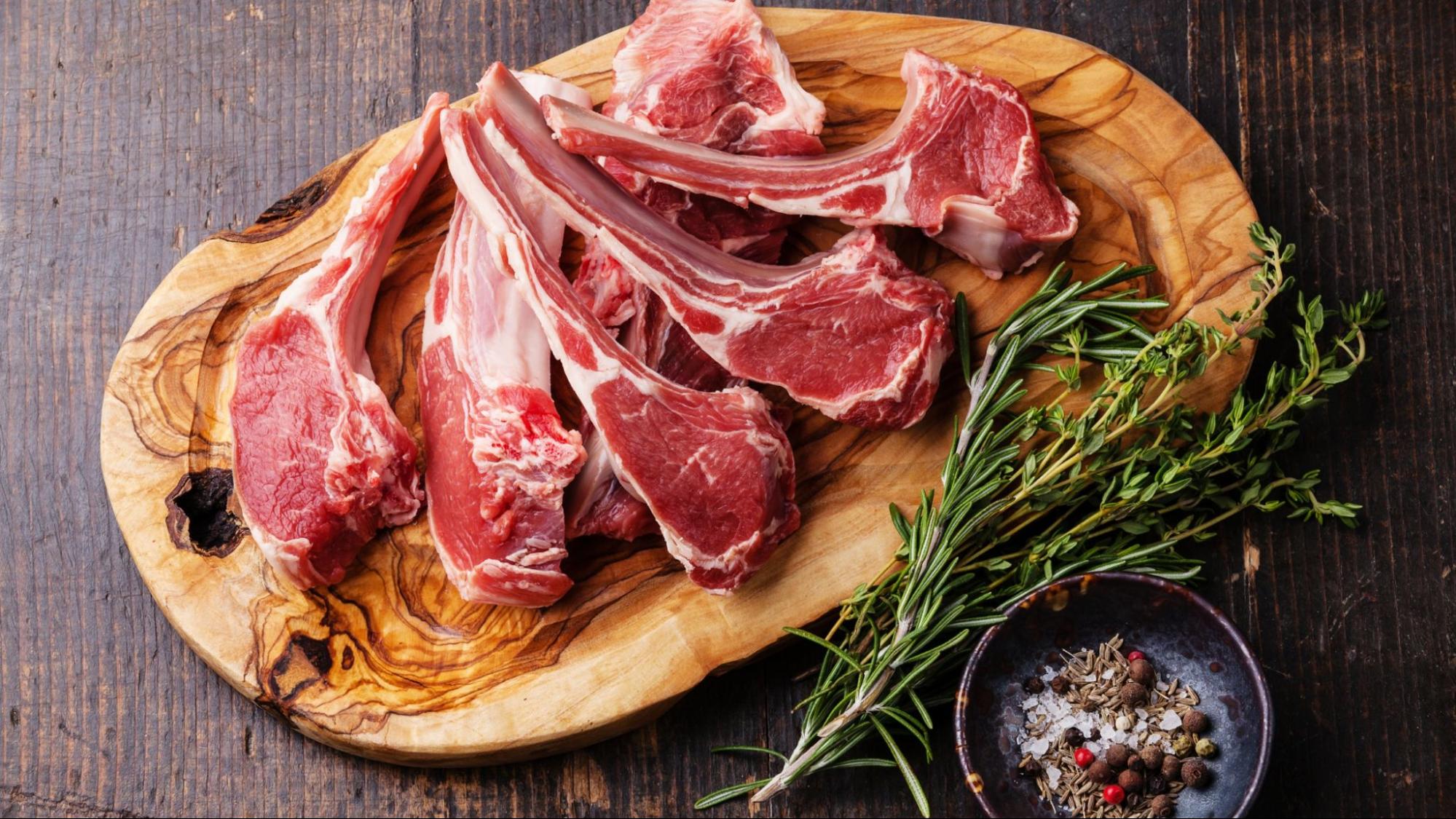

I’ve always been fascinated by how easily lamb and goat are confused in cooking and culture. Growing up, I remember my grandmother insisting that a stew was made with goat, only to find out later it was actually lamb. That mix-up sparked my curiosity about the difference between lamb and goat, and over the years, I’ve learned that it’s not just about taste—it’s about texture, cooking methods, and even cultural significance. Whether you’re a home cook or a food enthusiast, understanding these differences can elevate your dishes and help you appreciate the unique qualities of each meat.
Understanding the Basics: What Are Lamb and Goat?
Before diving into the differences, let’s clarify what we’re talking about. Lamb comes from young sheep, typically under one year old. Goat, on the other hand, is meat from a goat of any age, though younger goats are often preferred for their tenderness. Both are staples in cuisines worldwide, but their characteristics vary significantly.
Key Differences in Taste and Texture
One of the most noticeable differences between lamb and goat is their flavor profile. Lamb has a rich, slightly gamey taste that’s often described as earthy and robust. Goat, however, tends to be leaner with a milder flavor that can sometimes lean toward sweetness, especially in younger animals. Texture-wise, lamb is generally more tender, while goat can be tougher if not cooked properly. This is where the difference between lamb and goat becomes most apparent in cooking.
Cooking Methods Matter
Because of their distinct textures, lamb and goat require different cooking techniques. Lamb, being more tender, works well with quick methods like grilling or roasting. Goat, with its tougher meat, benefits from slow cooking—think stews, braises, or curries. I’ve found that marinating goat overnight can also help break down the fibers, making it more palatable.
Nutritional Comparison
When it comes to health, both meats have their pros and cons. Here’s a quick breakdown:
| Nutrient | Lamb (per 100g) | Goat (per 100g) |
|---|---|---|
| Calories | 294 | 246 |
| Protein | 25g | 27g |
| Fat | 21g | 15g |
| Iron | 2.3mg | 2.1mg |
As you can see, goat is leaner and lower in calories, making it a better option for those watching their fat intake. However, lamb’s higher fat content contributes to its richer flavor and tenderness.
Cultural Significance
The difference between lamb and goat isn’t just culinary—it’s cultural. In many Middle Eastern and Mediterranean cuisines, lamb is a centerpiece, often grilled or roasted for special occasions. Goat, on the other hand, is a staple in Caribbean, African, and South Asian dishes, where its lean meat is prized for curries and stews. Understanding these cultural contexts can deepen your appreciation for both meats.
Which Should You Choose?
Honestly, it depends on what you’re cooking and your personal preference. If you’re looking for something tender and flavorful for a quick meal, lamb is your best bet. If you’re willing to spend more time in the kitchen and want a leaner option, goat might be the way to go. I’ve found that experimenting with both has expanded my culinary horizons and made me a more versatile cook.
💡 Note: When buying goat, look for younger animals (often labeled as "kid" or "cabrito") for the most tender meat.
In the end, the difference between lamb and goat is about more than just taste—it’s about understanding how to make the most of each meat’s unique qualities. Whether you’re grilling lamb chops or slow-cooking a goat curry, knowing these differences will help you create dishes that truly shine. So next time you’re at the butcher or browsing a menu, you’ll know exactly what to expect.
Related Terms:
- difference between lamb and sheep
- difference between sheep and goat
- lamb vs goat sheep ram
- goat vs lamb taste
- baby goat called lamb
- lamb vs goat mutton