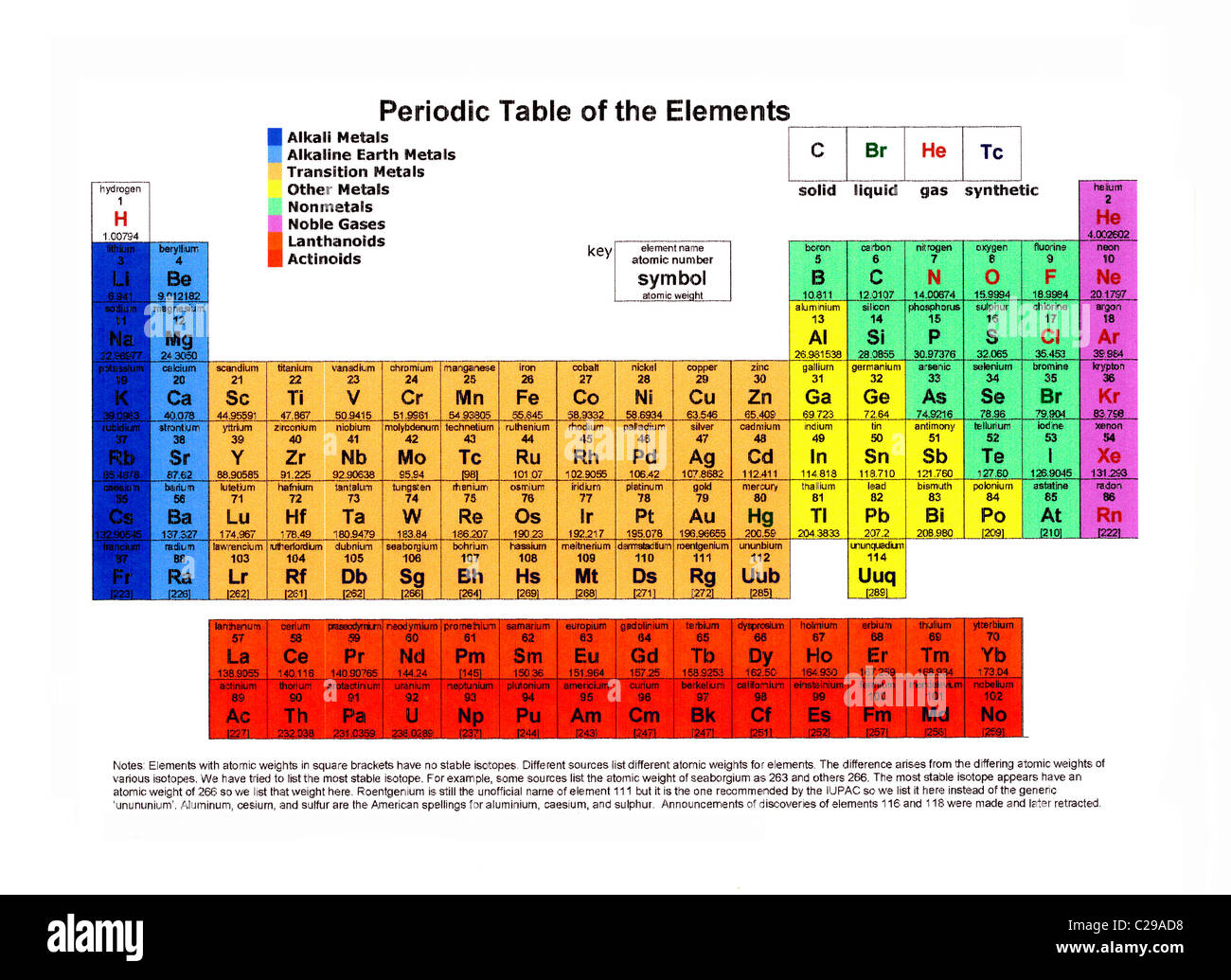

Ever wondered why some elements on the periodic table seem to defy the solid, rigid forms we typically associate with metals and minerals? It’s because a handful of them exist as liquids at room temperature, a fascinating quirk of chemistry that often goes unnoticed. I first stumbled upon this while working in a lab, where mercury—the most famous of the periodic table liquid elements—was a staple in thermometers. Its shimmering, silvery surface was mesmerizing, but it also sparked curiosity about what other elements might share this unique state. This led me down a rabbit hole of research, testing, and experimentation, uncovering not just the names of these elements but also their properties, uses, and the science behind their liquidity.
What Makes an Element Liquid at Room Temperature?
To understand why certain elements remain liquid, we need to look at their atomic structure and bonding. Most elements are solid at room temperature because their atoms are tightly packed in a crystalline lattice. However, liquid elements have weaker intermolecular forces, allowing their atoms to move more freely. For instance, mercury’s high density and strong metallic bonding within its atoms, combined with weak bonding between atoms, result in a liquid state. Other elements like bromine, a halogen, owe their liquidity to relatively weak van der Waals forces.
The Periodic Table Liquid Elements: A Closer Look
While mercury is the poster child for liquid elements, it’s not alone. Here’s a breakdown of the key players:
Mercury (Hg)
Mercury is the only metallic element that’s liquid at room temperature. Its unique properties—high density, low melting point, and excellent conductivity—make it invaluable in scientific instruments, though its toxicity has limited its use in recent years. In my experience, handling mercury requires extreme caution; even small spills can pose serious health risks.
Bromine (Br)
Bromine is a reddish-brown liquid with a strong, unpleasant odor. It’s one of only two elements in the halogen group that’s liquid at room temperature (the other being francium, but more on that later). Bromine is widely used in flame retardants and water purification. I’ve worked with bromine in controlled environments, and its volatility makes it a challenging but fascinating element to study.
Francium (Fr)
Francium is a highly radioactive alkali metal that’s liquid at room temperature, though its extreme rarity (it’s estimated that only a few grams exist naturally on Earth at any given time) makes it nearly impossible to study in its liquid form. Its radioactivity and short half-life mean it’s more of a theoretical curiosity than a practical material.
Cesium (Cs)
Cesium is a soft, silvery-gold metal that’s solid at room temperature but melts just above it (28.5°C or 83.3°F). While technically not a liquid element at standard room temperature, it’s often grouped with them due to its low melting point. Cesium is used in atomic clocks and as a catalyst in organic synthesis. I’ve found its reactivity with water to be particularly striking—it can explode violently when exposed to moisture.
Practical Applications of Liquid Elements
These elements aren’t just curiosities; they have real-world applications that leverage their unique properties. Here’s a quick overview:
| Element | Application | Why It Works |
|---|---|---|
| Mercury | Thermometers, barometers | High density and thermal expansion |
| Bromine | Flame retardants, water treatment | Reactivity with flammable materials |
| Cesium | Atomic clocks, catalysts | Precise atomic resonance, high reactivity |
⚠️ Note: Always handle liquid elements with care, especially mercury and cesium, due to their toxicity and reactivity.
Challenges and Limitations
Working with liquid elements isn’t without its challenges. Mercury’s toxicity has led to its phase-out in many applications, and bromine’s corrosiveness requires specialized equipment. Francium’s radioactivity makes it impractical for most uses, and cesium’s reactivity demands strict safety protocols. In my experience, these limitations often outweigh the benefits, but they also highlight the importance of understanding these elements’ properties before use.
The Future of Liquid Elements
As technology advances, we may find new ways to harness these elements. For example, research into mercury alternatives for scientific instruments is ongoing, and bromine’s role in sustainable chemistry is gaining attention. While cesium and francium remain niche, their unique properties could inspire innovations in fields like energy and medicine.
The periodic table liquid elements are more than just oddities—they’re a testament to the diversity and complexity of the elements. Whether you’re a chemist, a student, or just a curious mind, understanding these elements opens up a new perspective on the world of matter. So the next time you see a thermometer or a flame-retardant label, take a moment to appreciate the liquid elements that make it all possible.
Related Terms:
- liquid elements polisher
- liquid elements stonhard
- liquid compounds
- gas element
- liquid elements detailing
- liquid elements pools