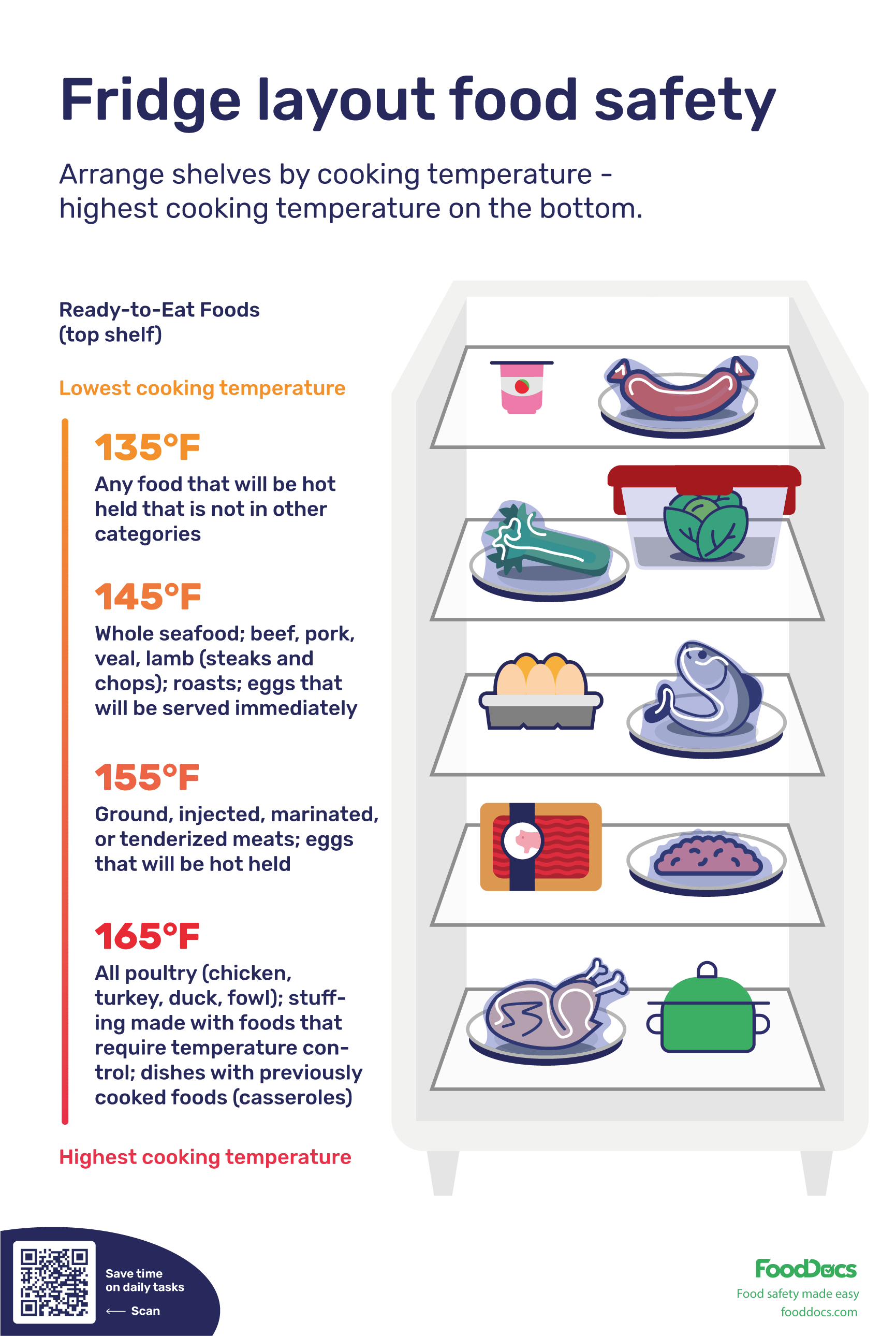

You open the fridge for a quick slice of cheese and find it’s gone rubbery, or your lettuce turns to mush two days after you bought it. The culprit is often the refrigerator temperature — that dial you set years ago and never touched again. It affects both food safety and how fresh your groceries actually stay.
Food safety experts recommend keeping your fridge between 35°F and 38°F. Cold air slows bacteria growth, while most flavors and textures stay intact. Above 40°F is the danger zone: bacteria multiply faster, which can lead to spoilage and unpleasant illnesses. Below 33°F, you risk freezing your vegetables or milk, which ruins their texture and taste.
Find the true temperature
Fridge dials are rarely accurate. A setting of “3” on one brand might be too cold on another. Pick up a simple refrigerator thermometer — usually under $10 — and place it in the middle of your fridge, near the front, with the door closed overnight.
Check it in the morning. If the reading is above 38°F, turn the dial slightly downward and test again in a day. If it’s below 33°F, adjust upward. Most refrigerators take about 24 hours to stabilize after any change.
Where to measure matters
The front of the middle shelf is a helpful average spot. The door is the warmest area — fine for butter and condiments — while the back of a shelf runs noticeably colder, sometimes too cold. Need a quick fix? Place a small glass of water in the middle. A thin layer of ice on top means the temperature is too low.
Keep it stable
Opening the door frequently lets warm air pour in, so the whole unit has to work to recover. Overstuffing the fridge blocks airflow, making temperatures uneven across shelves. Letting a big pot of stew cool to room temperature before refrigerating also helps the compressor keep up, so your settings stay honest.
🌡️ Note: For the most accurate reading, use a thermometer with a probe placed in a cup of water or gel instead of just measuring the air. Air temperature swings every time the door opens; water and gel reflect the mass of food around it, giving you far more dependable results.
When the fridge runs cold
If your milk gets slushy but the dial won’t turn down, check the damper or the fresh-food control vent inside the fridge. Many models use one to regulate how much cold air flows from the freezer section. If that doesn’t solve it, call a repair technician — a faulty thermostat or air sensor could be at work.
Getting your refrigerator temperature right is a ten-minute task that saves groceries, money, and peace of mind. Set it once, check it twice a year, and your food will taste better for it.
Related Terms:
- Refrigerator Temperature recommended
- Refrigerator Temperature chart
- best Refrigerator Temperature recommended
- Refrigerator Temperature gauge
- maximum Refrigerator Temperature
- Refrigerator Temperature ideal